All About Membrane layer Change: A Comprehensive Guide for Beginners
Membrane layer buttons are necessary components in modern-day electronic devices, providing a distinct user interface for individual interaction - membrane switch. Their split construction, consisting of overlays and conductive traces, offers functionality and durability. Unlike typical mechanical switches, membrane layer switches offer a smooth design and adjustable options. Understanding their essential attributes and advantages can change product style. The details of their application and style factors to consider require more exploration.
What Is a Membrane Switch over?
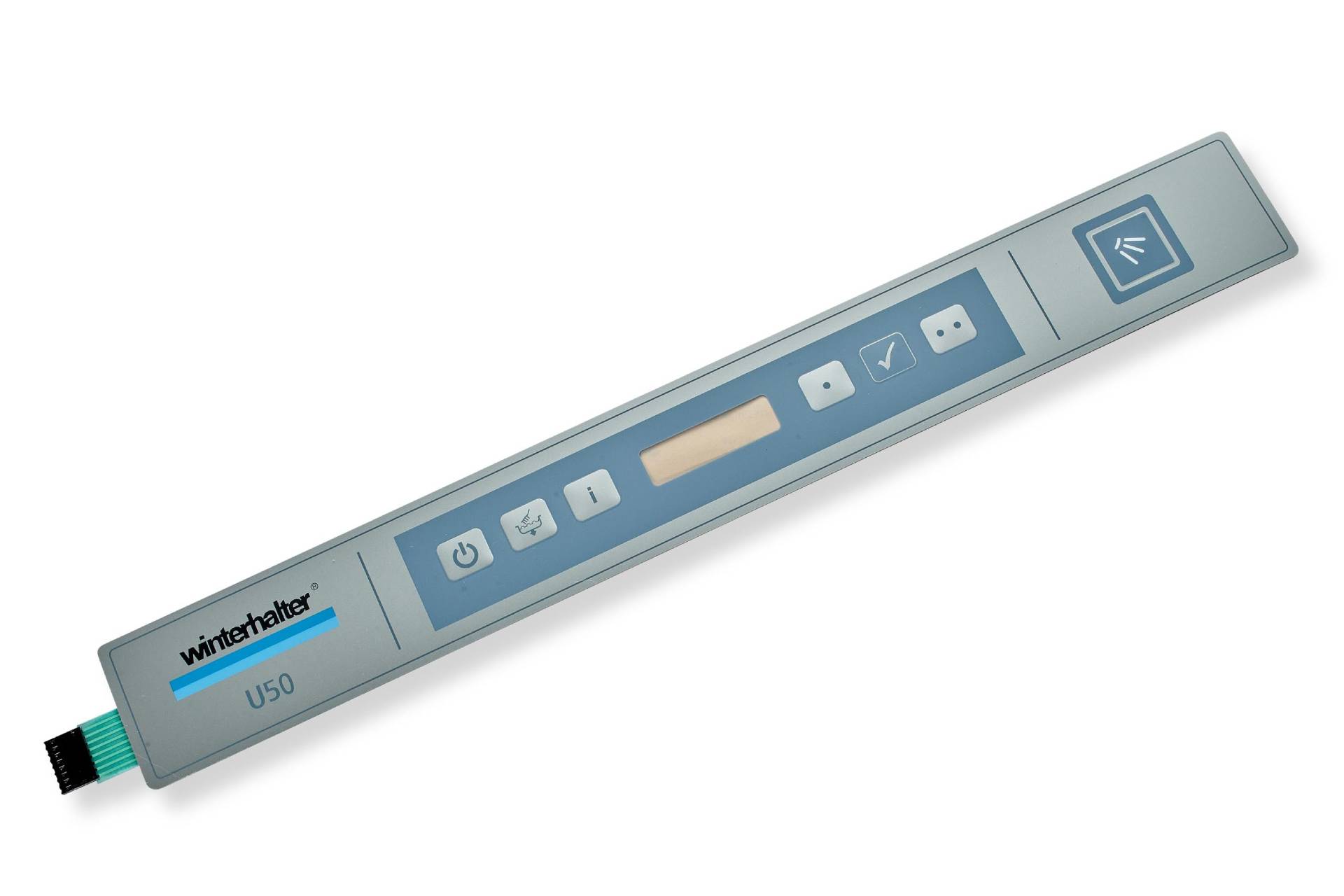
A membrane switch is a kind of electric button that consists of a versatile membrane layer layered over a printed circuit card. This layout permits a smooth and portable user interface, often used in numerous digital devices. Membrane buttons are generally found in consumer devices, medical devices, and commercial equipment because of their longevity and resistance to environmental factors.The building commonly includes several layers, such as visuals overlays and glue backing, which give responsive responses and protect the circuitry underneath. The operation of a membrane layer switch is started when stress is related to the surface area, finishing an electrical circuit.These buttons are valued for their convenience, enabling customized styles and printed graphics that accommodate particular interface. Their inconspicuous nature lowers space demands, making them excellent for applications where typical buttons might not fit. On the whole, membrane layer buttons use a practical and aesthetic solution for modern-day digital gadgets.
Secret Components of Membrane Switches
Membrane switches comprise several key components that add to their performance and efficiency. The leading layer, understood as the overlay, supplies the interface and is typically printed with graphics or symbols. Underneath the overlay exists a spacer layer, which divides the conductive components and protects against unintentional activation. The following crucial element is the graphic layer, which boosts visual appeals and ensures the toughness of the design.Conductive traces, normally made from products like silver or carbon, are printed on the circuit layer. When stress is put on the overlay, these traces enter into get in touch with, finishing the circuit. In addition, a backing layer offers architectural support and can be made from products such as polyester or polycarbonate. Together, these parts produce a dependable, straightforward interface ideal for various applications, from house devices to industrial tools. Understanding these components is vital for anyone curious about membrane layer button modern technology.
Exactly How Membrane Layer Changes Job
Understanding exactly how membrane layer switches feature is essential for valuing their prevalent use in different devices. A membrane button operates with a collection of layers, including a graphic overlay, spacer, and a circuit layer. When stress is put on the overlay, it compresses the spacer layer, enabling the circuit layer to make call and finish an electrical circuit. This action sends out a signal to the tool, prompting an action, such as activating a light or activating a function.Membrane changes can be made with numerous features, including tactile comments, backlighting, and personalized graphics, enhancing user communication. Their building and construction allows for a closed style, shielding the inner parts from dust, moisture, and contaminants. This longevity makes them suitable for diverse applications, from consumer electronics to industrial devices. Generally, the simpleness and performance of membrane changes add to their popularity in contemporary technology.
Advantages of Membrane Switches Mechanical Switches
While mechanical buttons have actually long been a staple in several tools, membrane layer changes offer distinct advantages that make them progressively appealing. One considerable benefit is their slim profile, allowing for more compact layouts and higher versatility in product development. Additionally, membrane layer switches over function an uniform surface, which boosts visual charm and simplifies cleansing, making them ideal for atmospheres where hygiene is critical.Another advantage is their resistance to dirt and wetness. Unlike mechanical switches, which can be compromised by ecological aspects, membrane switches give a closed interface that shields versus impurities - membrane switch. In addition, membrane switches commonly have a longer life-span because of fewer relocating parts, causing improved sturdiness and reliability.Cost-effectiveness is also a notable advantage, as membrane buttons can be created in mass with reduced manufacturing prices. These variables combine to position membrane switches as a useful alternative to standard mechanical options in different applications
Usual Applications of Membrane Switches Over
Membrane layer buttons are widely utilized in numerous sectors, especially in customer electronics and industrial control board. In customer devices, they offer a streamlined, user-friendly interface, while in industrial setups, they boost sturdiness and capability. Understanding these applications highlights the flexibility and usefulness of membrane layer buttons in modern technology.
Consumer Electronics Tools
As customer electronic devices remain to evolve, membrane switches have ended up being a prominent selection for a selection of tools due to their flexibility and smooth style. These switches are frequently discovered in smart devices, tablet computers, and remotes, where room is minimal and aesthetic appeals issue. Their reduced profile and adjustable styles allow suppliers to develop straightforward user interfaces that boost the total customer experience. Furthermore, membrane layer switches are typically utilized in home appliances such as microwaves and coffee machine, offering intuitive control choices while resisting moisture and dust. The durability and integrity of membrane layer changes make them suitable for everyday customer products, guaranteeing longevity and regular efficiency. In general, their integration in customer electronics reflects a mix of performance and pop over to this web-site modern layout.
Industrial Control Panels
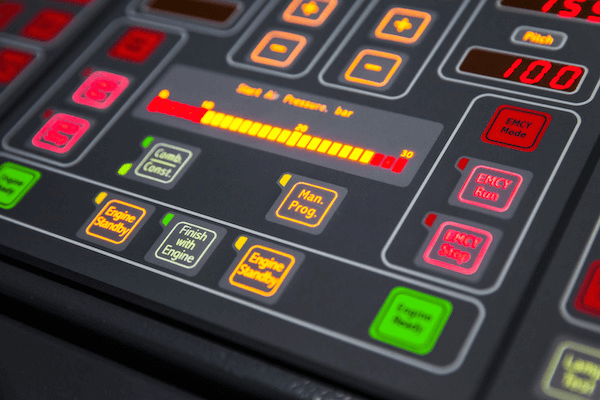
The applications of membrane layer switches expand past consumer electronic devices, discovering significant usage in industrial control board. These buttons are favored for their longevity and resistance to severe environments, making them excellent for producing and process control setups. They provide a reliable user interface for operators to manage machinery, display processes, and change settings. Membrane layer switches can be personalized to suit certain operational requirements, including functions like backlighting and responsive comments, boosting user experience. Their inconspicuous design enables for assimilation into numerous equipment, while their capacity to withstand spills, dirt, and severe temperatures assurances longevity. In general, membrane layer buttons contribute to reliable and secure procedure in industrial applications, demonstrating their versatility and efficiency popular environments.
Considerations for Designing Membrane Layer Switches
When developing membrane layer buttons, picking the right materials is important to assure resilience and performance. In addition, recognizing layer configuration techniques can significantly impact the button's efficiency and individual experience. These factors to consider play a vital duty in creating reputable and efficient membrane switch styles.
Material Selection Significance
Material selection plays a necessary function in the style and performance of membrane switches. The chosen materials straight influence the button's longevity, responsive feedback, and total visual. Secret considerations include the substratum, which have to offer structural integrity while enabling adaptability, and the visuals overlay, which needs to be resistant to put on and ecological aspects. Conductive materials must ensure dependable electrical efficiency, while adhesives need to provide strong bonding without endangering the button's operation. Additionally, compatibility with making procedures and end-user environments is essential; products should stand up to differing temperatures, humidity levels, and chemical exposure. Inevitably, proper material option not only enhances the membrane layer switch's efficiency however additionally adds to its longevity and customer fulfillment, making it a vital facet of the style process.
Layer Setup Strategies

Regularly Asked Questions
Just How Long Do Membrane Layer Switches Over Usually Last?
Membrane layer switches normally have a lifespan of 1 to 5 million cycles, depending upon use and environmental problems. Variables such as design top quality and operating frequency significantly affect their resilience and general efficiency longevity.
Can Membrane Switches Be Customized for Specific Layouts?
Membrane layer buttons can undoubtedly be personalized to fit particular designs, allowing for diverse forms, shades, and performances. This versatility enables manufacturers to customize these buttons to fulfill special visual and functional demands efficiently.
What Materials Are Made Use Of in Membrane Layer Switch Building And Construction?
Membrane layer switches are commonly built using products such as polyester, polycarbonate, and adhesive layers. These materials provide more helpful hints resistance, versatility, and durability to environmental aspects, ensuring the switches operate effectively in different applications and problems.
Are Membrane Layer Switches Immune or water-proof to Moisture?
Membrane buttons can be developed to be moisture-resistant, using specialized coatings and materials. Nonetheless, their water-proof capabilities depend upon building high quality and details applications, making it necessary to evaluate demands for suitable efficiency in different settings.
Exactly How Are Membrane Switches Repaired if Harmed?
Fixing broken membrane switches generally involves replacing the affected layer or circuit. Technicians may additionally use conductive sticky or utilize specialized repair work kits, ensuring capability is recovered without full substitute of the entire switch setting up. Unlike standard mechanical switches, membrane buttons provide a sleek design and personalized choices. A membrane button is a kind of electrical button that consists of a flexible membrane layer layered over a printed circuit board. The operation of a membrane layer switch is initiated when stress is applied to the surface, finishing an electrical circuit.These switches are valued for their adaptability, making it possible for custom-made designs and published graphics that cater to details individual interfaces. While mechanical switches have actually long been a staple in many tools, membrane switches over offer distinctive advantages that make them increasingly appealing. Membrane layer switches commonly have a longer lifespan due to fewer moving parts, resulting in improved sturdiness and reliability.Cost-effectiveness is also a notable benefit, as membrane layer switches can be generated in bulk with reduced production expenses.
Comments on “8 industries transformed by membrane switch technology”